
By Team BuzzBizzAI
12 Feb, 2026
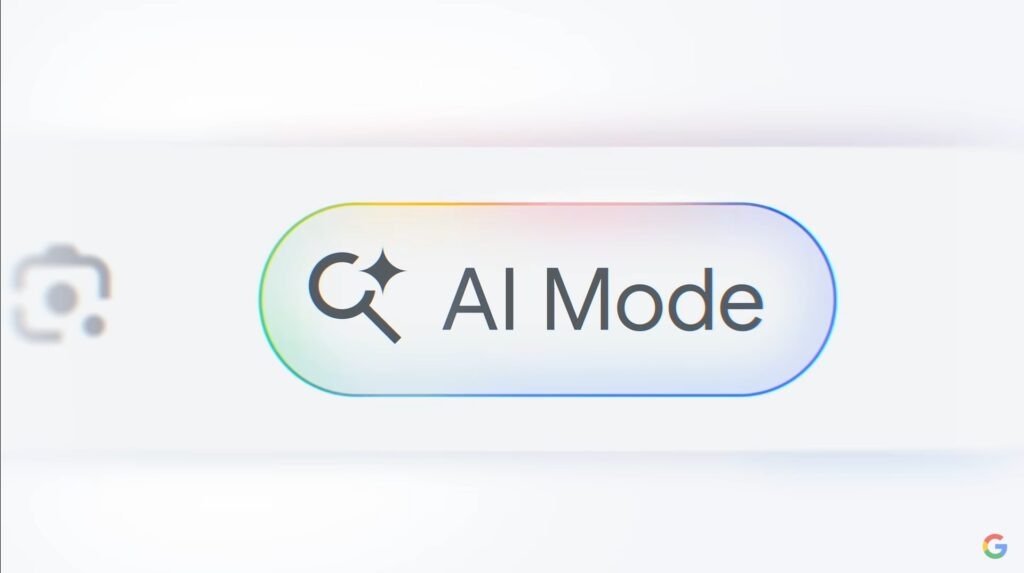
When people talk about search in 2026 they are no longer just talking about clicks and rankings. They’re talking about visibility inside AI search results and that is reshaping how brands think about being found online. While there are many industry takes on this, a pattern is emerging: AI search is not a fad, it is a structural change, but exactly how it affects brands and traffic is still hotly debated.
AI Search Does Not Need a Click to Matter
One recent piece by MarTech argues that brands should pay attention to something that seems invisible. When an AI system like ChatGPT or Gemini mentions your brand inside a generated answer, that mention works a lot like traditional advertising. Users read it, internalise it, and then later may navigate to your site directly rather than clicking through immediately. In analytics this often shows up as a spike in direct traffic because the referrer is lost when someone types your brand name into a browser or uses autofill. In that sense AI search can create brand recall without a single click.
This effect is real enough that marketers tracking direct sessions alongside branded search terms can begin to see patterns that correlate with times when AI visibility increases. The thesis is simple. AI search expands what visibility means. It is not just a matter of being high in a list of links anymore, it is about being in the answer itself.
But Traffic From AI Search Is Still Small. For Now.
The other view, from a recent Wall Street Journal exploration of the emerging AI search marketing industry, tends to be more cautious. According to Semrush data, the average daily visits from AI tools to a set of large retailers was still only in the hundreds of thousands. That might sound big until you realise traditional search still dwarfs it. But the growth rate (around eight times last year’s level) suggests AI referrals are expanding, not stagnating.
There is also real debate over whether AI search optimisation will become a standalone discipline or if it will merely complement traditional SEO practices. Some marketers built early tools to “optimise brands for AI responses” and shut them down when they found their own data simply reinforced long-standing SEO principles. Others are betting this is not a side track but a new frontier, a shift that will require different tactics because generative AI answers do not behave like deterministic search engines.
So What Should Marketers Do Today?
Both narratives agree on one point. AI search visibility matters, but not in the old sense of rankings and clicks. A few themes are already clear:
1. Visibility Before Clicks
AI search answers often remove the need for a click, yet they still shape the customer’s mental shortlist. If your brand is cited by an AI tool, users may recall you later when ready to act.
2. New Metrics Are Needed
Traditional performance indicators like click-through rates and organic rankings tell only part of the story when answers rather than lists dominate. Marketers should look at direct traffic, branded queries, and patterns where “no click” does precede a conversion.
3. Reinforcing Brand Authority Helps
AI optimization may become its own animal or not, the underlying truth remains the same: helpful, expert, well-structured content gets referenced. That builds authority in AI responses much the same way quality content earns links and rankings.
4. Be Ready for Hybrid Search Futures
Traditional SEO will not disappear overnight, but AI search is adding a new layer where citations and mentions inside LLM responses are increasingly valuable. Brands that appear here gain influence even without traditional clicks.
The Big Picture
Clicks used to be the currency of search marketing. Today they are one of many currencies. Visibility inside AI-driven answers may not show up as a click, but it can seed brand recall that leads to conversions later on. As AI search grows, marketers who think in terms of presence and influence, not just traffic and rankings, will be best placed to navigate this shift.
Other Articles

India’s ₹2 Lakh Crore Ad Boom Is Really an AI Story
ChatGPT Ads Are Less About Who You Are and More About What You Are Doing
No Comment! Be the first one.