
By Team BuzzBizzAI
7 Mar, 2026
How marketers are learning that faster content is not the same thing as better advertising.
For a brief moment in marketing history, it looked like generative AI might solve a long-standing problem. Campaign timelines would shrink. Creative variations would multiply. And marketing teams would produce more ads than ever before with very little friction.
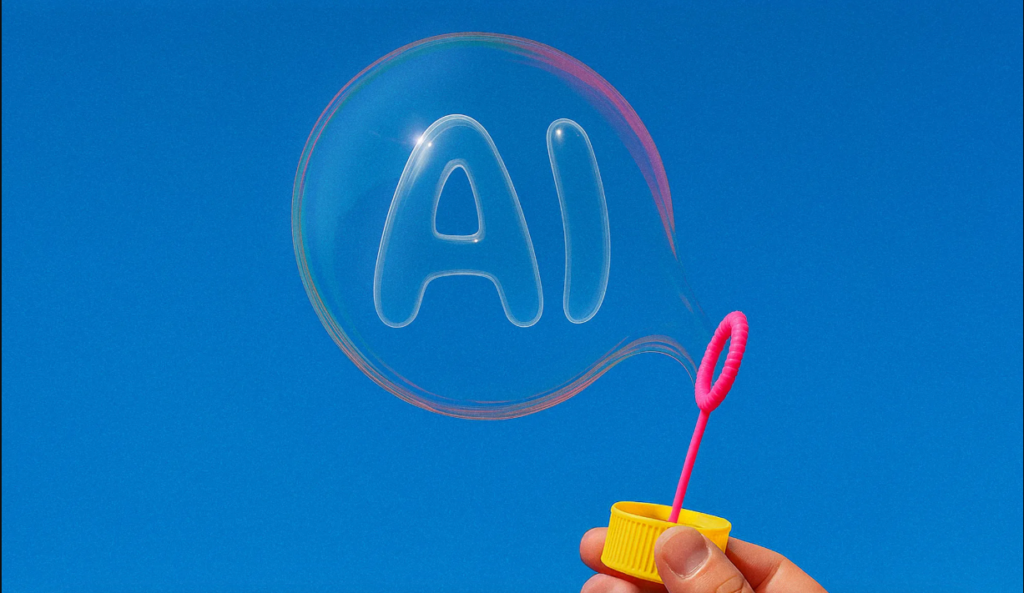
Then something strange happened. The internet filled up with ads that all looked vaguely the same.
The industry (or the people) coined a name for it. AI slop. It was even Oxford English Dictionary’s Word of the Year. And marketers are realizing it is not just an aesthetic issue but a strategic one.
A polite word for a messy problem
“Slop” originally meant something closer to mud or porridge. Today it describes the flood of low-quality AI-generated digital content that prioritizes speed and quantity over substance.
Advertising is not immune. As generative tools have made ad creation easier, they have also made it dangerously easy to generate hundreds of mediocre versions of the same campaign.
That is why a new wave of tools is emerging that does not just generate ads but judges them.
One example comes from the marketing platform Copley, which recently introduced an AI agent designed to build and optimize advertising while monitoring performance signals in real time. Instead of relying purely on prompts, the system analyzes which creative elements actually drive results and adjusts accordingly.
Let the data decide, not the prompt
The interesting twist is how the system works. Rather than producing endless variations and hoping one sticks, the platform studies performance data to determine which creative features matter. The goal is to eliminate what marketers politely call “subjective guesswork” and replace it with feedback loops tied directly to outcomes.
It can generate ads, analyze reports, and evaluate campaign effectiveness through conversational prompts inside platforms like Slack. In theory, this creates a feedback cycle where creative decisions are continuously informed by real performance rather than instinct alone.
The platform even maps creative characteristics that correlate with success through a data layer called the Copley Graph, helping marketers understand which elements of an ad actually resonate.
The ghost of SEO spam past
If all this sounds familiar, it should.
A decade ago, the web was drowning in low-quality SEO content farms. Articles optimized for keywords rather than readers flooded search engines. Eventually search algorithms evolved to filter the noise.
The AI era risks repeating the same pattern, only faster. Researchers and analysts have already warned that automated systems can flood platforms with AI-generated images, videos, and advertising that looks convincing but lacks strategic thinking.
One recent analysis of YouTube feeds found that between 21% and 33% of videos may fall into the category of AI “slop” or brainrot content, a sign that the scale problem is already here.
Why marketers should care
The issue is not simply quality. It is signal. As AI floods digital platforms with more content, the real challenge becomes distinguishing meaningful creative from synthetic clutter. Performance signals become the filter that separates insight from noise.
In other words, the next generation of marketing AI will not just write ads. It will judge them.
That shift subtly changes the role of marketers. Creative thinking still matters, but increasingly the advantage lies in building systems that learn faster than competitors.
A small hint of the future
The broader idea behind these tools is that AI agents will eventually manage many routine marketing tasks on their own. As users become comfortable with the process, those agents could generate campaigns, monitor outcomes, and adjust strategy without waiting for human instruction.
Which sounds futuristic until you realize the industry has been heading this way for years.
The difference now is that the machines are learning to critique their own work.
And that might be the only real way to keep the internet from drowning in its own creativity. Or maybe, we’ll just lean closer to the dead internet theory. Who knows? Nobody does.
Source:
To read the original article, visit:
Other Articles

India’s ₹2 Lakh Crore Ad Boom Is Really an AI Story

No Comment! Be the first one.