
By Team BuzzBizzAI
12 Feb, 2026
The first thing you notice about ads inside ChatGPT is that they do not behave like ads. They arrive mid-task, mid-thought, often when you are trying to finish something rather than discover something new. That detail changes everything.
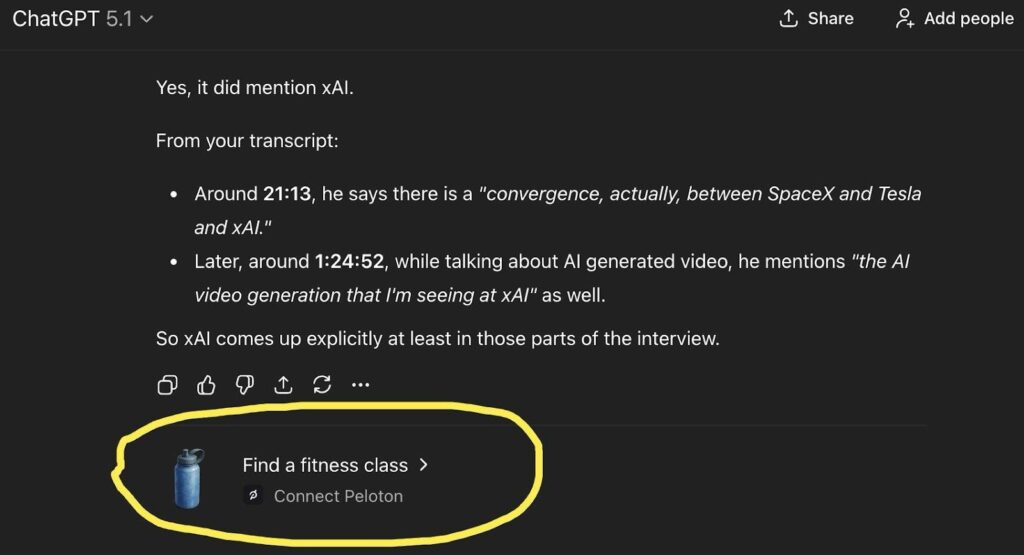
People do not open ChatGPT to browse. They come with intent. They are drafting a plan, comparing tools, fixing a problem, or deciding what to do next. Advertising in this space lives or dies based on whether it helps that intent move forward.
Why targeting takes a back seat to behaviour
Traditional advertising was built on identity. Age, interests, location, past searches. AI chat flips that logic. What matters now is behaviour. What is the user trying to accomplish right now, and how close are they to an answer?
In a conversational interface, relevance is about understanding context. A well-timed suggestion that solves a problem feels useful. A generic promotion feels out of place. BuzzBizzAI take: The difference is subtle but brutal.
When ads stop feeling like ads
The best ChatGPT ads do not try to persuade. They try to assist. A template, a comparison, a tool recommendation, or a shortcut can feel like part of the conversation rather than an interruption.
This is where creative strategy changes. Copy needs to sound like guidance, not hype. The value proposition has to be immediately obvious. If it slows the user down, it fails.
Measuring success without chasing clicks
Clicks are still there, but they are no longer the main event. In AI environments, success looks more like assisted decisions, downstream actions, or being the option an AI surfaces when a user asks for help.
That requires marketers to rethink attribution and performance.
Influence happens earlier and quieter, often before a user even feels like they were advertised to.
The bigger shift marketers need to accept
ChatGPT is not teaching marketers how to target better. It is teaching them how to be useful at the right moment.
In conversational AI, loud ads lose and helpful ones blend in. The brands that win will be the ones that understand behaviour, respect intent, and know when to step in and when to step back.
Source
Read the full article here:
Other Articles

Clicks Are Old News. Now What Matters Is Whether AI Mentions Your Brand
Genstore Promises AI That Turns Ideas Into Live Stores in Minutes

No Comment! Be the first one.