
By Team BuzzBizzAI
12 Feb, 2026
For marketers racing to automate creative, the uncomfortable truth that machine-made ads are triggering ‘trust penalties’ is hard to scroll past. Being transparent about AI involvement makes it worse, too.
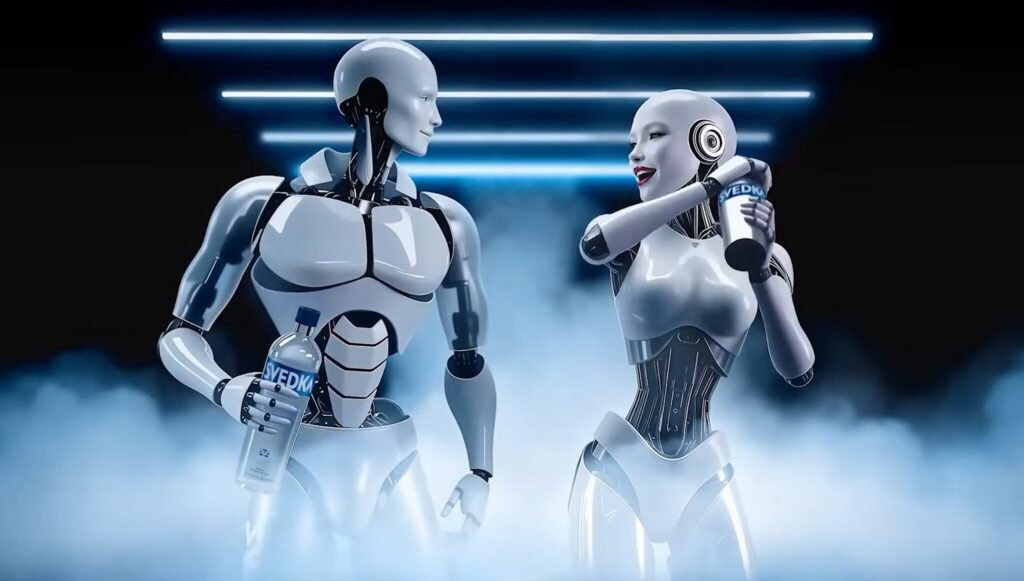
That is the core finding of new research by TBWA Australia and marketing effectiveness platform Ideally, which studied how audiences respond to AI-generated advertising across formats and categories. The result is what the researchers call a “synthetic authorship penalty.” When people believe an ad was created by AI, trust drops. When brands explicitly disclose that AI made the ad, trust drops further. Video amplifies the effect.
The study evaluated thousands of ad exposures across airlines, banks, and quick-service restaurants. In high-trust categories like aviation and finance, the damage was especially sharp. AI-led executions struggled to convert emotional response into action, even when they performed reasonably well on surface metrics. In one airline example, human-made video drove significantly higher purchase intent and brand recognition than AI-generated creative.
Disclosure turned out to be the accelerator. Ads labeled as AI-generated performed worse on trust than AI ads without labels. In other words, transparency currently behaves like a warning label. This puts brands in a bind as regulatory pressure around AI disclosure increases.
Video was the most fragile format. Because it carries emotional weight, audiences reacted more strongly when it felt synthetic. Static formats showed smaller penalties, suggesting that the cost of AI authorship is not evenly distributed across the media mix.
One of the more surprising findings was generational. Younger audiences were not more forgiving. In some cases, they disengaged faster when they sensed automation, reacting quickly to perceived human craft and just as quickly to its absence.
The research does not argue against AI. TBWA and Ideally are explicit about that. The point is placement. Hybrid approaches reduced the trust hit, but did not eliminate it. Full automation, the study suggests, should be reserved for low-trust moments, while high-stakes brand communication still benefits from visible human intent.
AI goes beyond a production decision. It is a brand signal. The efficiency gains are real. The trust costs are real too. And right now, they are not evenly priced into the decision-making.
Source:
Read the full article here:
https://www.mi-3.com.au/03-02-2026/machine-made-ads-for-trigger-big-trust-penalties
Other Articles

Genstore Promises AI That Turns Ideas Into Live Stores in Minutes
AI Is Calling Customers Now, and Ooredoo Is Leading the Charge

No Comment! Be the first one.