
By Team BuzzBizzAI
17 Jun, 2026
For FIFA World Cup 2026, Coca-Cola and Footballco are turning AI into a social-first entertainment format, with Mourinho debating a virtual Mourinho throughout the tournament.
The CMO Brief
- Coca-Cola is using AI to create a repeatable World Cup content format.
- The campaign works because the AI extends a known personality rather than inventing one from scratch.
- Sports marketing is moving from big-match films to always-on social theatre.
- The brand is betting on speed, debate and football’s natural appetite for over-analysis.
- For CMOs, the lesson is to use AI to sharpen culture, not replace it.
Football has never been content with simply being watched. It must also be argued over, mourned, litigated, rewatched from six angles and explained by a man on the internet who is absolutely certain the left-back was the beginning of civilisation’s decline. The World Cup takes this habit and gives it flags, volume and an international audience.
Coca-Cola seems to have found the perfect shape for that behaviour.
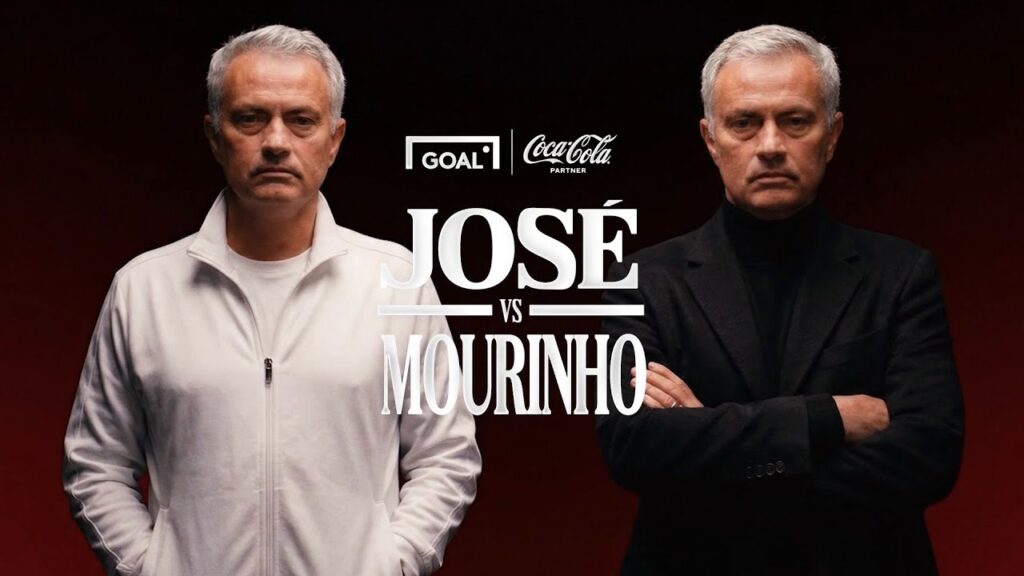
For FIFA World Cup 2026, the company is presenting “José vs. Mourinho,” a real-time social content series created with Footballco, GRAiL and Google Cloud. The format features José Mourinho debating an AI-powered virtual version of himself on the biggest football questions of the tournament.
The idea works because Mourinho is already built like a debate format. He is tactical, theatrical, wounded, brilliant, funny and completely capable of making a press conference feel like the third act of a courtroom drama. A campaign where Mourinho argues with Mourinho does not feel like AI being forced into the room. It feels like football finally admitting what it has wanted all along.
The series is expected to produce more than 200 pieces of content across GOAL’s global football channels, including TikTok, Instagram, YouTube, X and Facebook, with Footballco’s creator network helping push the format further into football culture.
That distribution plan is the real signal. Coca-Cola is not treating the World Cup as a single heroic brand film surrounded by media spend. It is treating the tournament as a live social organism, one that wakes up every morning needing fresh takes, quick reactions and a new reason to shout at strangers with national pride.
AI gives the campaign the machinery to move at that pace. It can help scale Mourinho’s persona across moments, platforms and arguments without waiting for the traditional production cycle to politely put on its shoes. But the technology is not doing the emotional work by itself. The reason people will care is still Mourinho, football, rivalry and the ancient human pleasure of watching someone be confidently difficult.
That distinction matters because a lot of AI-led brand work still begins with the tool and then goes hunting for a purpose. “José vs. Mourinho” begins with the behaviour. Football fans love debate. Mourinho is one of the great debate engines in modern sport. AI simply turns that into a format with legs.
There is also a useful governance lesson here. Coca-Cola has made clear that the content is playful and informal, not official tactical commentary from Mourinho. In the AI era, that kind of clarity is not just legal housekeeping. It is part of the creative architecture, especially when the campaign is built around a virtual version of a real person.
What should the CMOs take away from it?
The larger lesson is refreshingly practical. AI in advertising does not need to arrive wearing a lab coat and speaking in platform jargon. It needs to make an existing cultural behaviour faster, sharper or more entertaining. Here, Coca-Cola is using it to keep pace with a global sporting event, stretch one recognisable personality across multiple platforms and feed the conversation without pretending the machine invented football culture during a brainstorm.
The best AI work may not come from creating something out of thin air. It may come from spotting a behaviour already moving through culture and giving it a form people want to follow.
Coca-Cola found football’s oldest habit: arguing with absolute conviction.

No Comment! Be the first one.